No products in the cart.

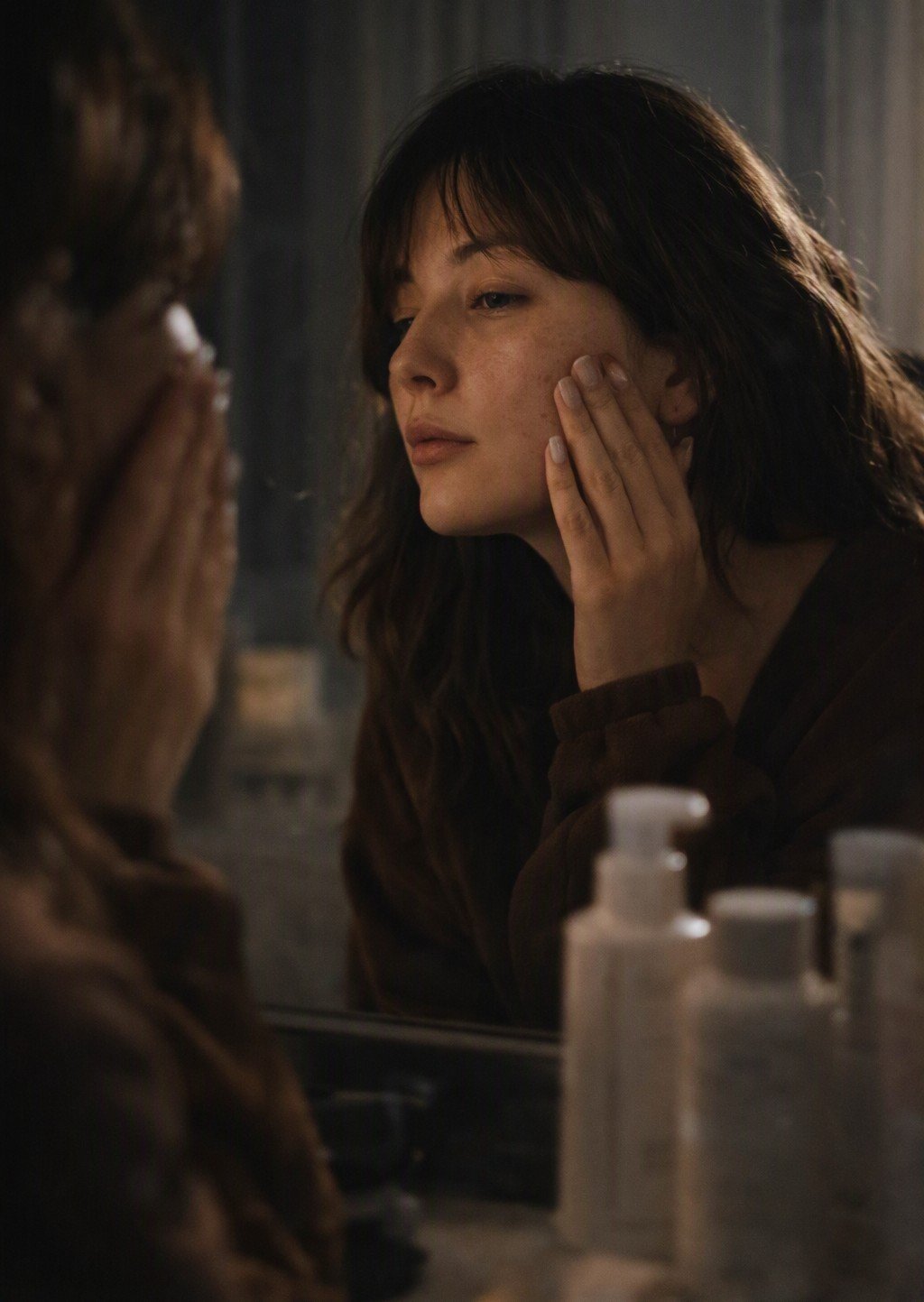
The quiet touch deficit is something I noticed on the ward long before I had the language for it, and I still notice it now, on shifts I still work even as I build Saccahra alongside them. I see patients, some of them elderly, some of them isolated, some of them simply unwell for long stretches, whose skin seems to soften and calm the moment someone touches them with intention, even briefly, even through a glove. It isn’t the lotion. It’s the contact itself. Nursing taught me to notice it. Saccahra is, in many ways, my attempt to formulate for it.
I want to talk about something the beauty industry rarely addresses directly: not what you put on your skin, but how much meaningful touch your skin is actually receiving and what happens when that number quietly drops to almost nothing.
What The Quiet Touch Deficit Does to Your Skin Barrier
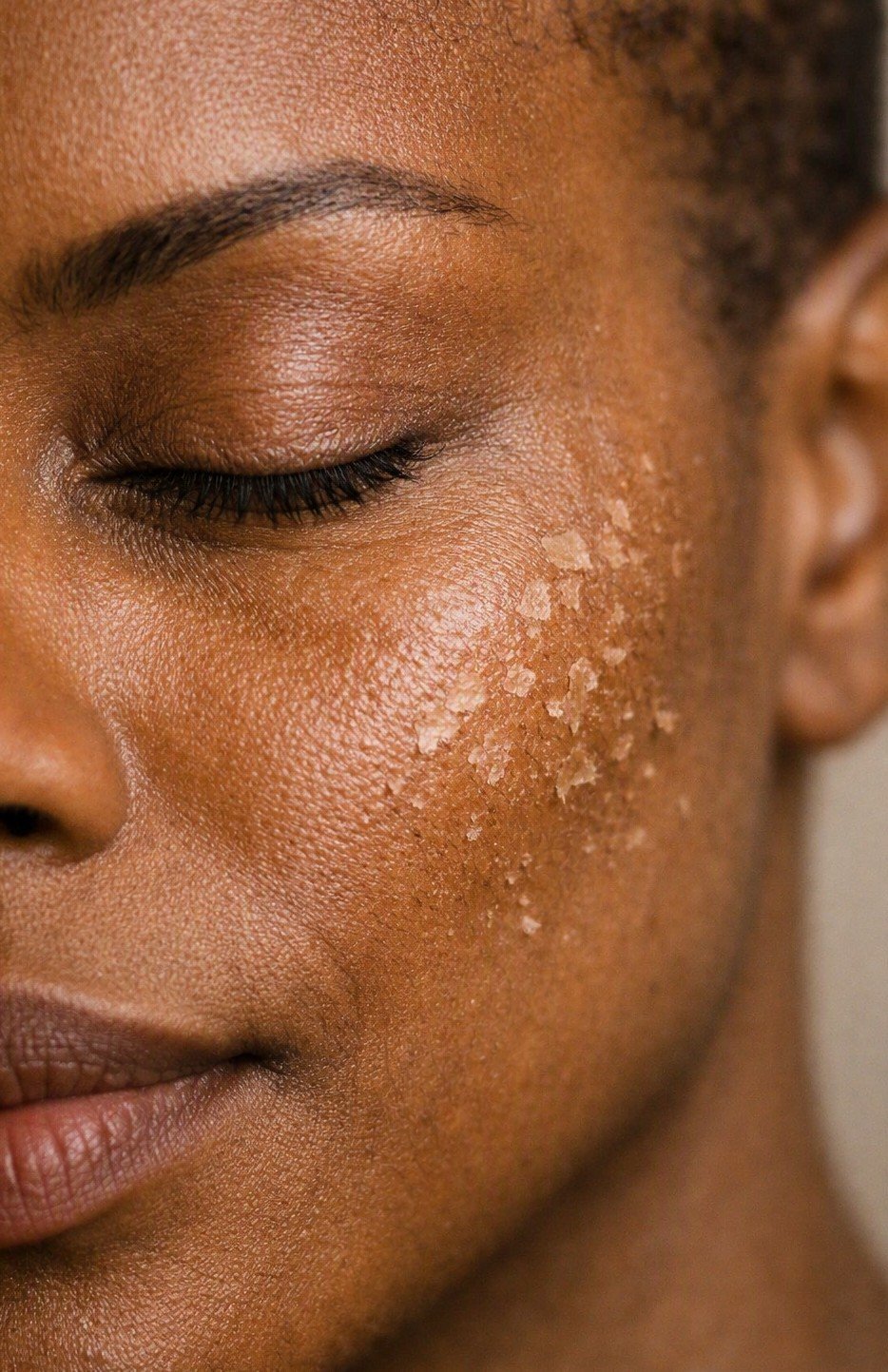
This isn’t a soft, metaphorical claim. Research on skin barrier function has shown that stress delays the skin’s ability to recover its barrier after damage, alongside measurable increases in cortisol and inflammatory markers. Sleep deprivation produces a similar effect, decreasing the skin’s barrier recovery while raising inflammatory cytokines and touch is one of the few reliable ways the body has of turning that stress response down.
Without regular touch, the body’s stress system has no counterweight — cortisol rises, and inflammatory cytokines associated with immune activation increase. Touch itself activates the parasympathetic nervous system, releasing oxytocin and reducing cortisol, which means the absence of touch isn’t neutral, it’s an active, ongoing stressor working against everything a good skincare formula is trying to repair. The lack of regular touch has been shown to decrease the release of oxytocin and serotonin while increasing cortisol, and that hormonal shift shows up in the skin as much as it does in mood.
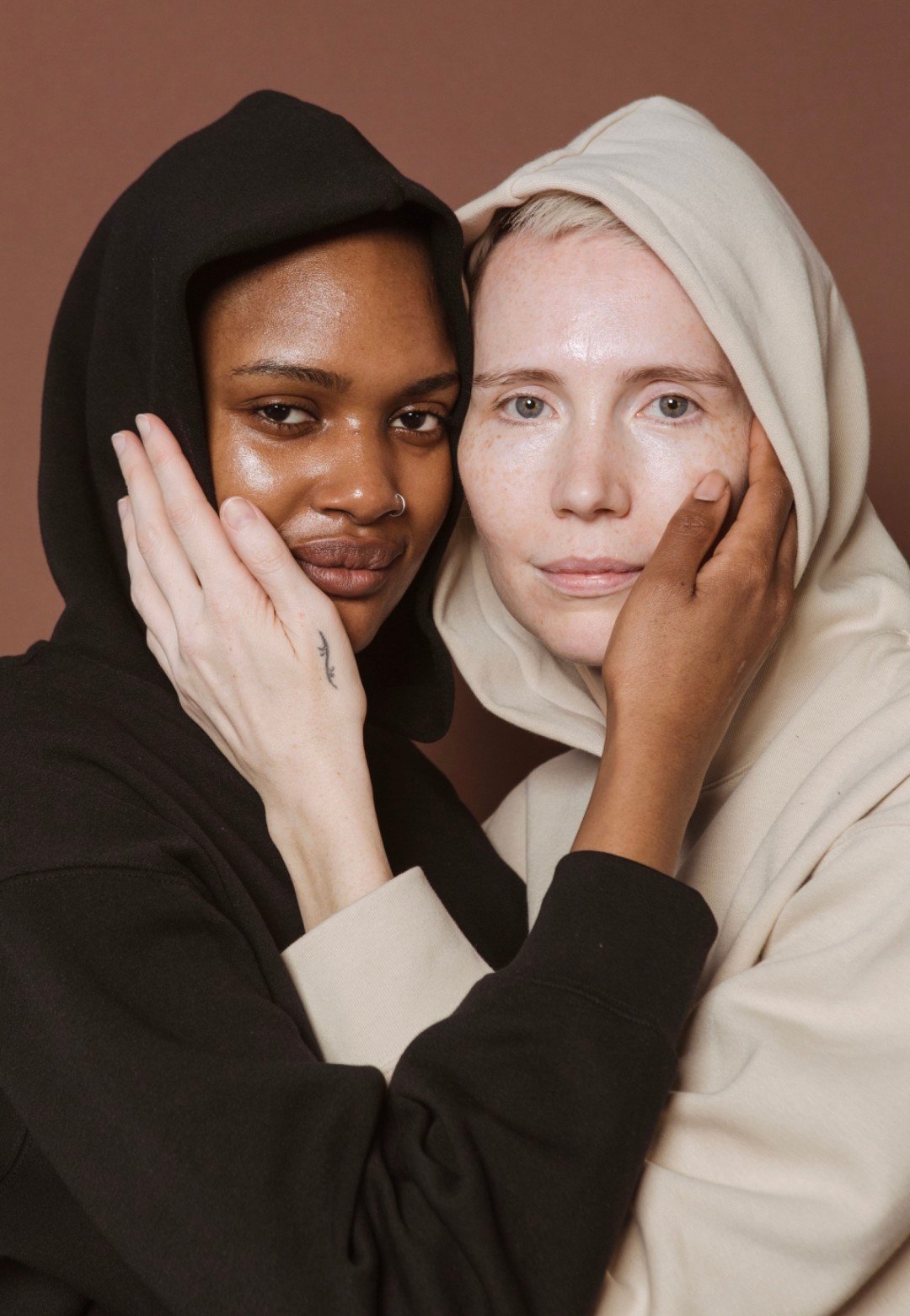
What strikes me most is how specific the mechanism is. C-tactile nerve fibres, found primarily in hairy skin like the face and arms, respond specifically to slow, gentle stroking at body temperature the kind of touch found in a hug, a caress, or a mindful massage. When that input disappears from daily life, it isn’t just an emotional loss. It’s a biological one, and the skin barrier is one of the places that loss becomes measurable.

The Quiet Touch Deficit Beauty Marketing Never Mentions
Here’s what troubles me about this industry from the inside: we talk endlessly about ingredients, actives, and routines, and almost never about the fact that modern life has quietly stripped away most people’s daily touch input. Touch deprivation received significant scientific attention during the pandemic, when prolonged isolation forced millions of people to live without regular physical contact but the deficit didn’t disappear when the world reopened. Remote work, smaller households, screen-mediated relationships, and busier lives have kept many people living with meaningfully less physical contact than they once had, whether they’d name it that way or not.
Touch starvation often masquerades as other problems: a low mood that lingers, anxiety that seems to come from nowhere, sleep that becomes elusive and I’d add, from what I’ve seen, skin that feels stubbornly reactive no matter what’s applied to it. The quiet touch deficit rarely gets named as a skin concern, because it doesn’t fit neatly into a product category. But even non-intimate therapeutic touch from a massage therapist, nurse, or doctor has been shown to produce measurable physiological benefits, including cortisol reduction, which tells me the source of the touch matters less than the fact that it happens at all, with intention.
Why I Built Saccahra Around The Quiet Touch Deficit
This is the real reason Saccahra was never going to be a brand built around fast application. If touch itself is doing measurable work calming the nervous system, supporting barrier recovery, counteracting the cortisol that stress and isolation raise, then the application of a product is not a delivery step to rush through. It’s the intervention.
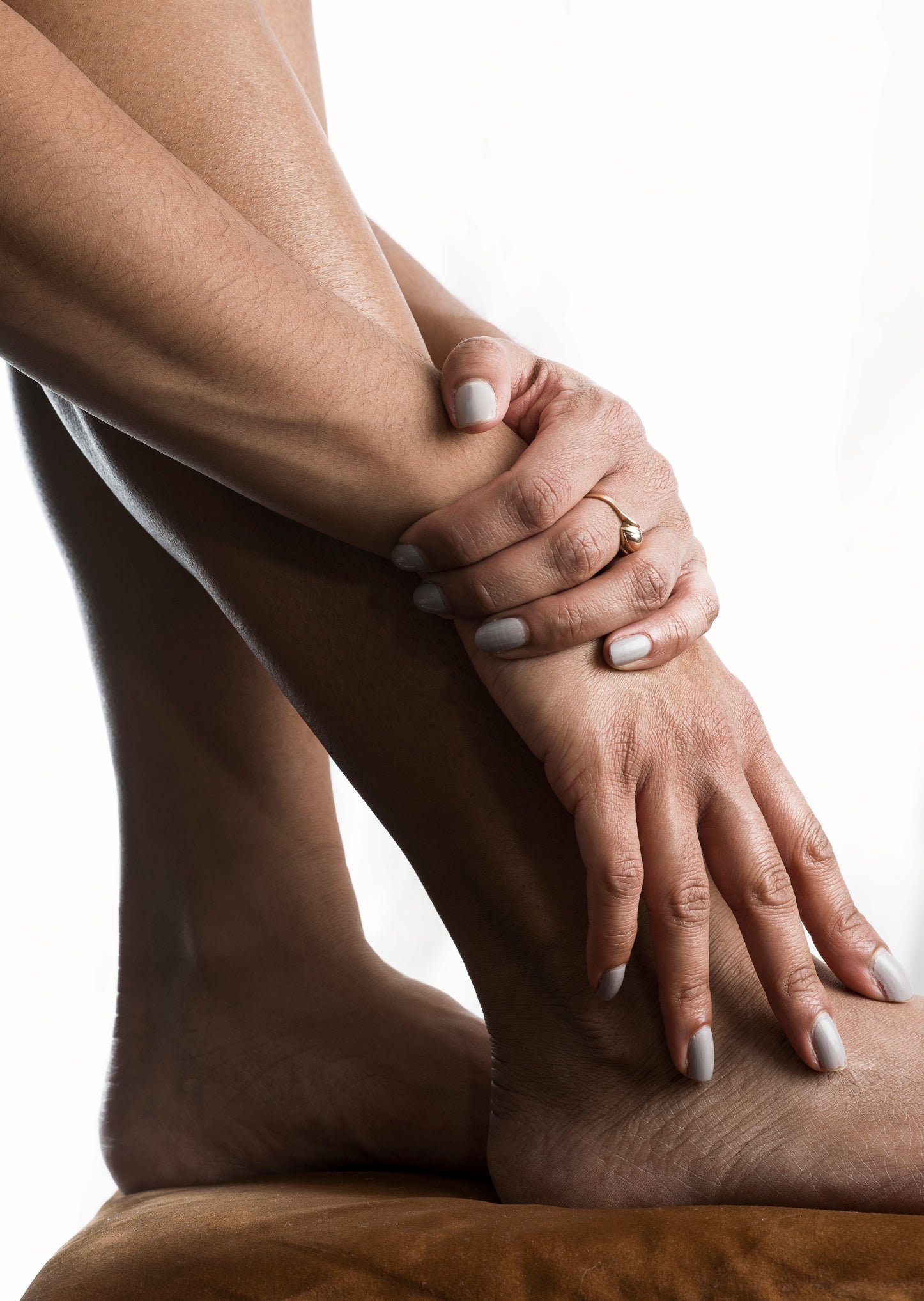
That’s why SugarVelvet and SugarSilk were formulated to reward slow, deliberate application rather than a quick pat-and-go, the texture itself is designed to make lingering feel natural. It’s also why DRITH and GLYSS ask for a few unhurried minutes rather than a five-second swipe. I’ve written before, on The Saccahra Effect, about why the pace of application matters as much as the formula — this is the deeper reason why: your own hands, moving slowly across your own skin, may be doing something no ingredient alone ever could.
The Quiet Touch Deficit and Where Saccahra Goes Next
I think about the quiet touch deficit most when I think about where this brand is heading. Skincare was always going to be the first chapter, not the last one. If the nervous system responds this specifically to slow, deliberate touch and texture, then there’s a much larger opportunity beyond the face and hands — objects, textures, and rituals built purely around restoring that sense of contact, for people whose days simply don’t include enough of it.
That’s the quiet thinking behind what I’ve started calling House of Saccahra — not a separate brand, but a natural continuation of the same question skincare already answers in miniature: what does it look like to build things, beyond a jar of cream, that give the nervous system what modern life has quietly taken away? I’m not rushing that chapter. It deserves the same patience I’d ask of anyone using SugarVelvet at the end of a long day but it is coming, and it comes from the same place all of this did.
What This Means for You Tonight
If your skin has felt harder to soothe lately, no matter what you’ve tried, it may be worth asking whether the quiet touch deficit is playing a quiet part in that and whether the answer isn’t a new ingredient, but a slower few minutes with the ones you already have. Explore Saccahra’s restorative range, built on the belief that how you touch your skin may matter as much as what you put on it.
By Nkeiru Agbarakwe
Further reading
• How Physical Contact Affects the Brain, Stress, and Emotional Recovery — Brain Research Foundation
• Human Touch and Mental Health: Why Physical Contact Helps — Reachlink
• The Silent Epidemic of Touch Deprivation — Embodied Wellness & Recovery
• Skin Hunger and Sensory Deprivation: How Touch Starvation Affects Skin — She and Is
• Touch starvation is a consequence of COVID-19’s physical distancing — TMC News
• Stress-induced changes in skin barrier function in healthy women — PubMed
FAQ
What is “the quiet touch deficit”?
It refers to the widespread, largely unacknowledged drop in meaningful physical touch in modern life — driven by remote work, smaller households, and screen-mediated relationships — and its measurable effect on stress hormones and skin barrier recovery.
Can lack of touch really affect skin health?
Yes — stress and touch deprivation raise cortisol and inflammatory markers, which have been shown to delay the skin barrier’s ability to recover after damage, independent of what products are being used.
How does Saccahra address this differently from other skincare brands?
Saccahra’s formulations and rituals are built to reward slow, deliberate application — treating touch itself as part of the intervention, not just a delivery method for ingredients — and the brand’s future plans (House of Saccahra) extend this idea beyond skincare into sensory objects for rest.

One Response