No products in the cart.

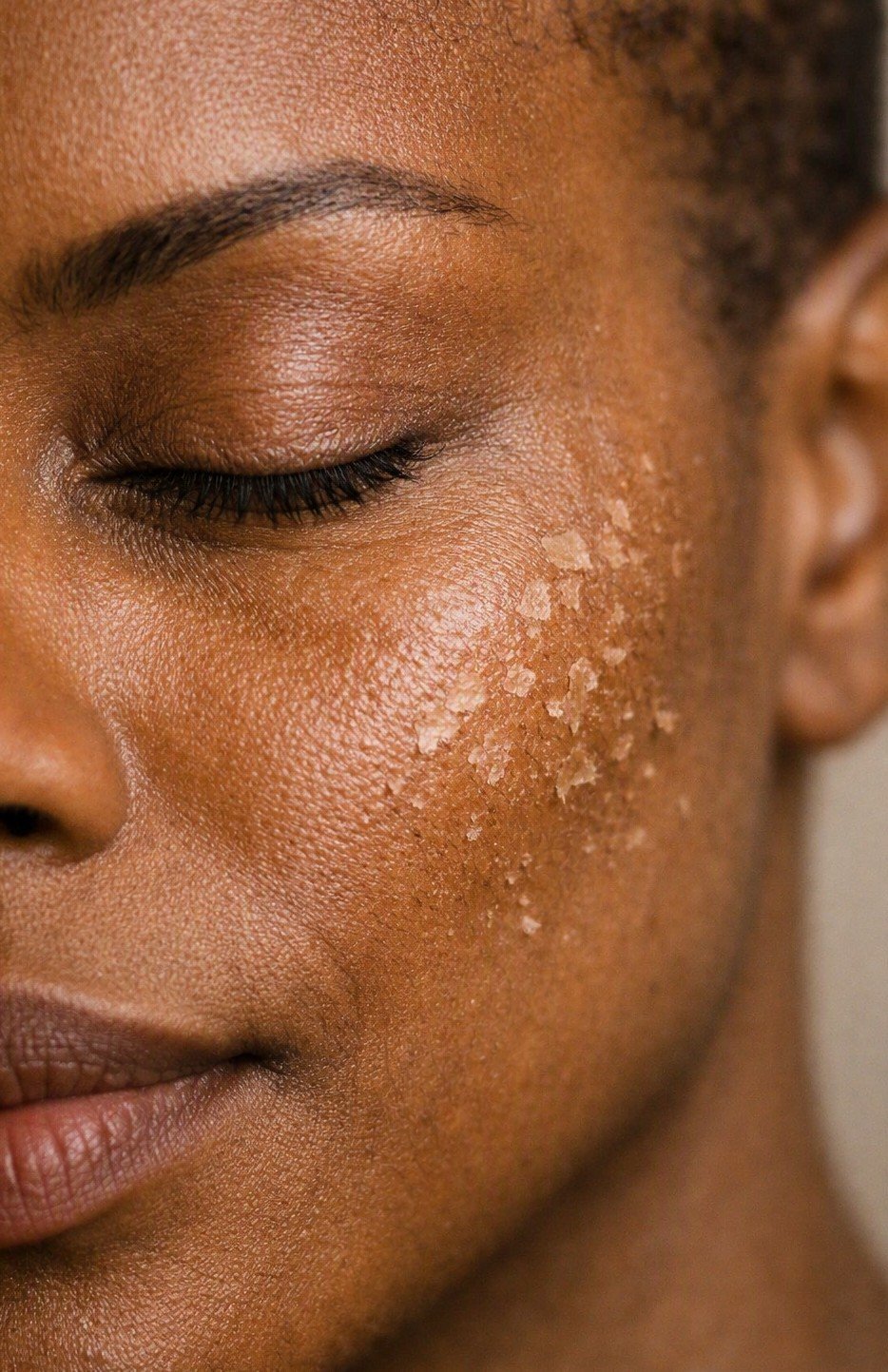
The exhausted skin epidemic is something I see written across faces long before anyone says a word to me about it – on the ward, in the mirror, in messages from people who’ve tried everything and still don’t understand why their skin won’t settle. I want to be precise about what I mean by exhausted, because it isn’t a metaphor. It’s a real, describable state: skin that has been asked to respond, adapt, and recover so many times, in so many directions, that it has quietly lost some of its own capacity to do any of those things well.
You can be sleeping enough. You can be drinking your water, taking your vitamins, doing everything that’s supposed to matter. And your skin can still look and feel tired because the exhaustion isn’t coming from your life. It’s coming from your routine.

What The Exhausted Skin Epidemic Actually Looks Like
Skin, like any living tissue, repairs itself best in stable conditions. The skin repairs itself in stable, low-stimulation conditions — and if a routine keeps changing, keeps adding, keeps layering, the barrier never gets the uninterrupted time it needs to finish what it starts. That single idea is, I think, the exhausted skin epidemic in one sentence: skin that is never given long enough in one state to actually complete its own repair process before being asked to adapt to something new.
Many routines focus heavily on active ingredients but overlook recovery and tolerance levels — the skin may initially respond well, but over time cumulative stress begins to weaken protective function. This is the exhausted skin epidemic at its most literal: not a single bad ingredient, not one wrong product, but the accumulated cost of a system that was never given the chance to rest.

The Habits Feeding The Exhausted Skin Epidemic
Three patterns show up again and again in how this exhaustion takes hold.

The Exhausted Skin Epidemic Beauty Culture Won’t Name
I don’t think this is talked about honestly enough, and I understand exactly why. An industry built on selling the next product has very little incentive to tell you that the real solution is often fewer products, held longer, changed less often. Randomly switching products often prolongs skin barrier damage rather than fixing it, since each new product introduces another potential irritant, keeping the skin in a constant state of reaction instead of allowing recovery.
The exhausted skin epidemic thrives specifically in a culture of novelty – new launches, new trends, new “holy grail” claims every few weeks. Nobody profits from telling you to simply stop, use less, and wait. But that, more than any single ingredient, is what tired skin is usually asking for.
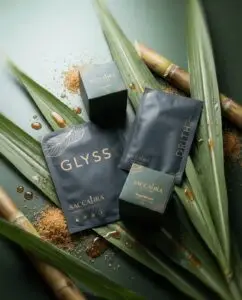
Why I Built Saccahra Against The Exhausted Skin Epidemic
This is the real reason Saccahra was never going to be a twelve-step brand. If skin needs stable, low-stimulation conditions to repair itself, then a system built around fewer, more deliberate steps isn’t a minimalist aesthetic choice it’s a direct, structural answer to the exhausted skin epidemic rather than another contributor to it.
You can see this in how the range is actually built. DRITH and GLYSS are formulated to give tired, overstimulated skin something to rebuild with, not another active to process. SUGARVELVET and SUGARSILK were designed as a single, complete step rather than a base for layering five more products on top.
And the philosophy behind why that restraint matters – restoring capacity, not just appearance, is something I’ve written about more fully on The Saccahra Effect.
I’d also point you toward two earlier pieces that sit close to this one: The Dangerous Skincare Gap looks at why accumulation itself is the injury, and The Quiet Touch Deficit looks at what slow, deliberate application gives back to a nervous system running on empty. Together, I think the three make a fuller case than any one of them could alone. If you would like to explore more topics on restorative skincare, The Saccahra Way is a good place to start.

Recovering From The Exhausted Skin Epidemic, One Ritual at a Time
Recovery, from what I’ve seen both as a nurse and as someone formulating for depleted skin, rarely looks dramatic. The fix is usually to repair the barrier with a simplified routine for two to four weeks before introducing anything new, allowing skin to develop real tolerance when actives are reintroduced gradually and used consistently. It is patient, unglamorous, and genuinely effective – which is, I’ll admit, not the easiest thing to build a beauty brand around, but it’s the only version of this I’ve ever wanted to build.

If your skin has felt tired in a way that doesn’t quite match how you actually feel, it may not be asking for something new at all. It may simply be asking you to stop, for a while, and let it finish what it’s already been trying to do.
If any part of the exhausted skin epidemic sounds familiar, I’d gently suggest the same thing I’d tell a patient: simplify before you add. Explore Saccahra’s full restorative range, built specifically to give exhausted skin room to recover, not one more thing to process.
Further reading (external sources referenced)
– Skin Barrier Damage: Signs & How to Repair It — London Dermatology Centre
– Signs Your Skin Barrier Is Damaged Even If Your Routine Looks Correct — Molekulaire
– Does Changing Skincare Too Often Damage Skin? — Dermaluci Lab
– If Your Skin Barrier Won’t Heal, You’re Probably Doing This — Tsorico
– Skin Barrier Dysfunction in Chronic Dermatoses — PMC
FAQ
What is “the exhausted skin epidemic”?
It describes the widespread pattern of skin that looks and feels tired not from lack of sleep or hydration, but from constant product-switching, ingredient-stacking, and overstimulation that never gives the skin barrier enough stable time to complete its own repair process.
How do I know if my skin is affected by this?
Signs include skin that reacts to products it once tolerated well, persistent dullness or dehydration despite a “correct” routine, and improvements that never seem to last — often a sign the barrier hasn’t had enough uninterrupted recovery time, not that a new product is needed.
How does Saccahra address this differently?
Saccahra’s formulations are deliberately restrained — built to be complete, restorative steps rather than a base for layering more actives — with the philosophy that restoring skin’s capacity to repair itself matters more than chasing its appearance.